

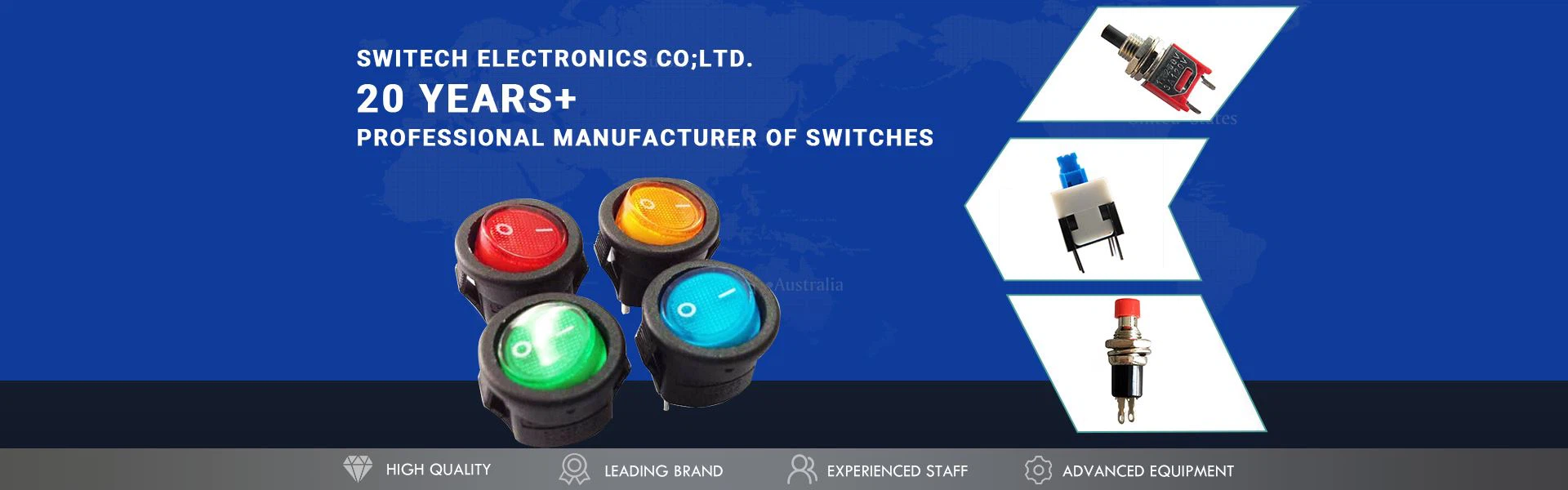
The international microswitch reed is typically made of bronze or stainless steel wire, but overseas, it is typically constructed from high-quality materials like rare metal titanium. Such materials lend to an improved lifespan for the microswitch, making it more reliable in the long run. Additionally, these microswitches feature a small transmission pressure handle that makes them highly versatile for a variety of functions. With five categories of constituent elements, the quality of each element directly impacts the performance and efficacy of the microswitch. So, it's critical to ensure that only high-quality components are used to guarantee the longevity and proper functioning of the microswitch.
The parts in the reverse buried hole of the microswitch hinder the escape of gas, making it difficult to ventilate effectively. Moreover, the tin surface has an excessively high aspect ratio, resulting in an abundance of metal oxides on the tin wave's surface. Additionally, the spacing between parts is too close, further complicating the gas circulation.
The high tin humidity, excessive viewing angle while passing through the furnace, improper proportion of welding fluid, excessively low rear diaphragm, oversized welding pad, inappropriate match with cable diameter, and close proximity of the welding pad all contribute to tin pulling issues.
The switch is a popular electronic component that offers several benefits such as precise operation and various models and specifications. It is widely used in both personal and professional settings due to its low loop resistance. However, there are certain issues associated with the switch, such as touch problems. The operation and force of the touch and function key is determined by a shrapnel mechanism. Despite its flaws, the switch remains a widely popular and essential component in modern electronics.
One type of shrapnel division is between phosphor copper strip shrapnel and stainless steel plate shrapnel. The manufacturer chooses phosphor copper strip shrapnel due to its high cost performance and cost-saving benefits. However, the drawback of this type of shrapnel is that it experiences significant deformation shrinkage after being exposed to high temperatures, resulting in poor touch quality. In order to address this issue, it is recommended to opt for stainless steel plate shrapnel whenever possible.
If the cooperation between the thin microswitch and plastic film is required, it is important to consider the heat resistance of the plastic film. Some plastic films may not have satisfactory heat resistance, resulting in their performance being compromised under temperature control.
When the microswitch is disconnected, it is susceptible to oxidation due to exposure to wet and cold temperatures. This oxidation can weaken the touch characteristics of the switch over time. If you examine the switch closely after removal, you will notice a small black spot on the metal part, indicating the presence of oxidation. To prevent this, it is advisable to store electronic equipment in a dry area when not in use. By doing so, you can avoid oxidation and maintain the effectiveness of the switch for a longer period.